
My key broke in the lock – what should I do?
A broken key stuck in a lock is one of those problems that always seems to happen at the worst possible time. You might be trying to leave for work, get back into your home, or secure a property quickly, only to find half your key snapped off inside the lock.
It’s frustrating, but it doesn’t have to turn into a bigger issue. Knowing what to do next can prevent further damage and help you get the door working again as smoothly as possible.
Stay calm and don’t force the lock
The first thing to do is stop turning the lock. Trying to force the remaining part of the key or pushing another key into the lock can drive the broken section further inside. This can make removal more difficult and, in some cases, damage the internal components of the lock itself.
If the lock still turns slightly, avoid the temptation to “wiggle it free”. That often causes the broken piece to rotate out of reach. Following these steps will help prevent you from breaking the key in the lock.
Check how much of the key is visible
Take a close look at the lock and see whether any part of the broken key is sticking out. If a small section is visible, you may be able to gently grip it using tweezers or narrow pliers. Pull straight out, applying slow and even pressure. Avoid twisting or pulling at an angle, as this can snap the key further.
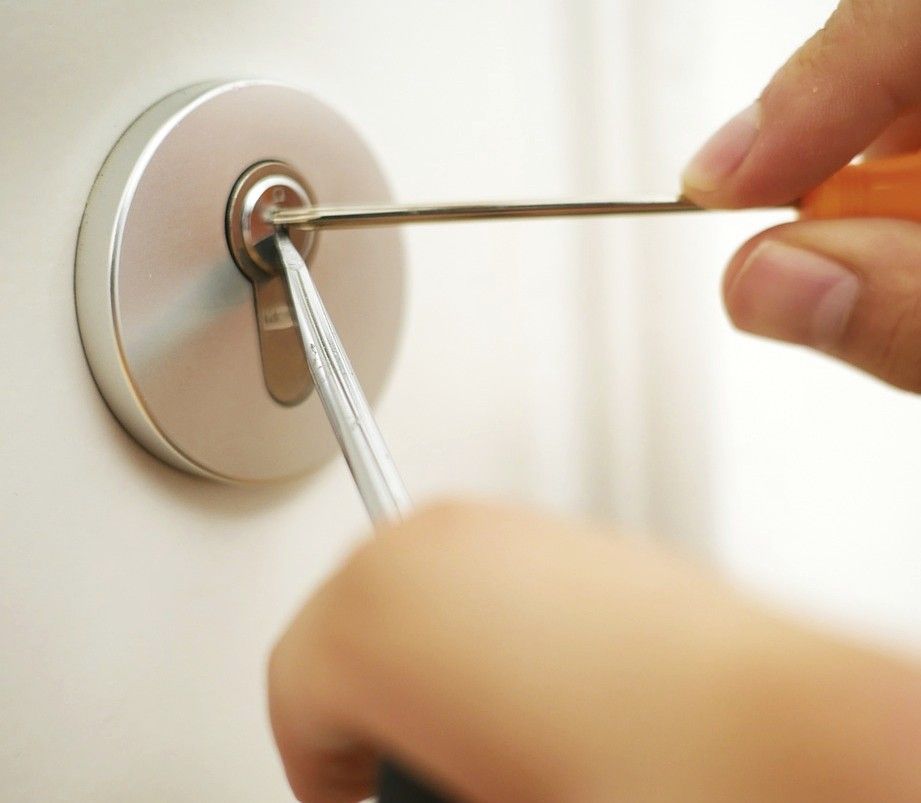
If the broken key is flush with the lock face or completely inside, it’s best not to try improvised tools or household items. These can push the key deeper or scratch the lock barrel.
Avoid using glue or makeshift fixes
It’s common to see advice online suggesting superglue or adhesive to reattach the key.
This almost always causes more problems than it solves. Glue can seep into the lock mechanism, harden inside the barrel, and turn a simple key extraction into a full lock replacement.
Once adhesive is involved, the lock is often beyond repair.
Don’t dismantle the lock unless you know how
Removing a lock without experience can damage the door, strip fixings, or misalign the mechanism. In many cases, a broken key is a sign that the lock itself is nearing the end of its lifespan.
Modern locks, especially anti-snap or multi-point systems, are more complex than they appear. Taking them apart incorrectly can compromise security or make refitting difficult.
If the door is locked and you’re unsure, it’s safer to leave the lock intact.
Call a professional locksmith
If the key is stuck inside the lock or you’re unable to remove it safely, contacting a professional locksmith is the best option.
An experienced locksmith has specialist tools designed specifically for broken key extraction. In many cases, the key can be removed without damaging the lock at all.
At DB Locksmiths, we deal with broken keys on a daily basis. Our aim is always to get you back inside or secure your property with minimal disruption and without unnecessary replacements.
If the lock has been damaged or worn, we’ll explain your options clearly and only recommend a replacement when it’s genuinely needed.
How to reduce the risk of keys breaking in the future
While not all breakages are avoidable, there are a few warning signs to look out for:
- Keys that feel stiff or catch when turning
- Locks that require extra force to operate
- Bent, worn, or cracked keys
- Older locks that haven’t been serviced or replaced
Addressing these early can help prevent a snapped key at an inconvenient moment. Cold weather can also play a role in reducing the integrity of keys.
Need help with a broken key?
If your key has broken in the lock and you’re unsure what to do next, getting professional advice early can save time, stress, and cost.
Contact DB Locksmiths for prompt, reliable help and a clear explanation of your options.